
The Silent Habits Destroying Your Sleep and Energy Levels
The Silent Habits Destroying Your Sleep and Energy Levels
Have you ever slept for 7-8 hours but still woke up feeling tired? Do you often struggle with low energy, poor focus, or mental fog during the day? You are not alone. Many people unknowingly follow daily habits that quietly damage their sleep and overall wellness.
Modern lifestyles are filled with stress, screen time, unhealthy routines, and overstimulation. Over time, these habits can affect your brain, body, and emotional balance. The good news is that small changes can make a big difference.
In this article, we will explore the hidden habits that may be affecting your sleep and mental health, along with simple wellness habits that can help you improve energy levels and support better sleep naturally.
Why Sleep Matters More Than You Think
Sleep is not just about rest. It is the time when your body repairs itself, your brain resets, and your energy is restored. Poor sleep can affect your mood, memory, focus, and even your weight.
Many people ignore the connection between sleep and mental health. Lack of quality sleep may increase stress, anxiety, irritability, and brain fatigue. Over time, it can make everyday tasks feel more difficult.
When your brain stays active late at night, it may feel like your mind is stuck in “overdrive.” This is one of the biggest reasons people struggle to relax before bedtime.
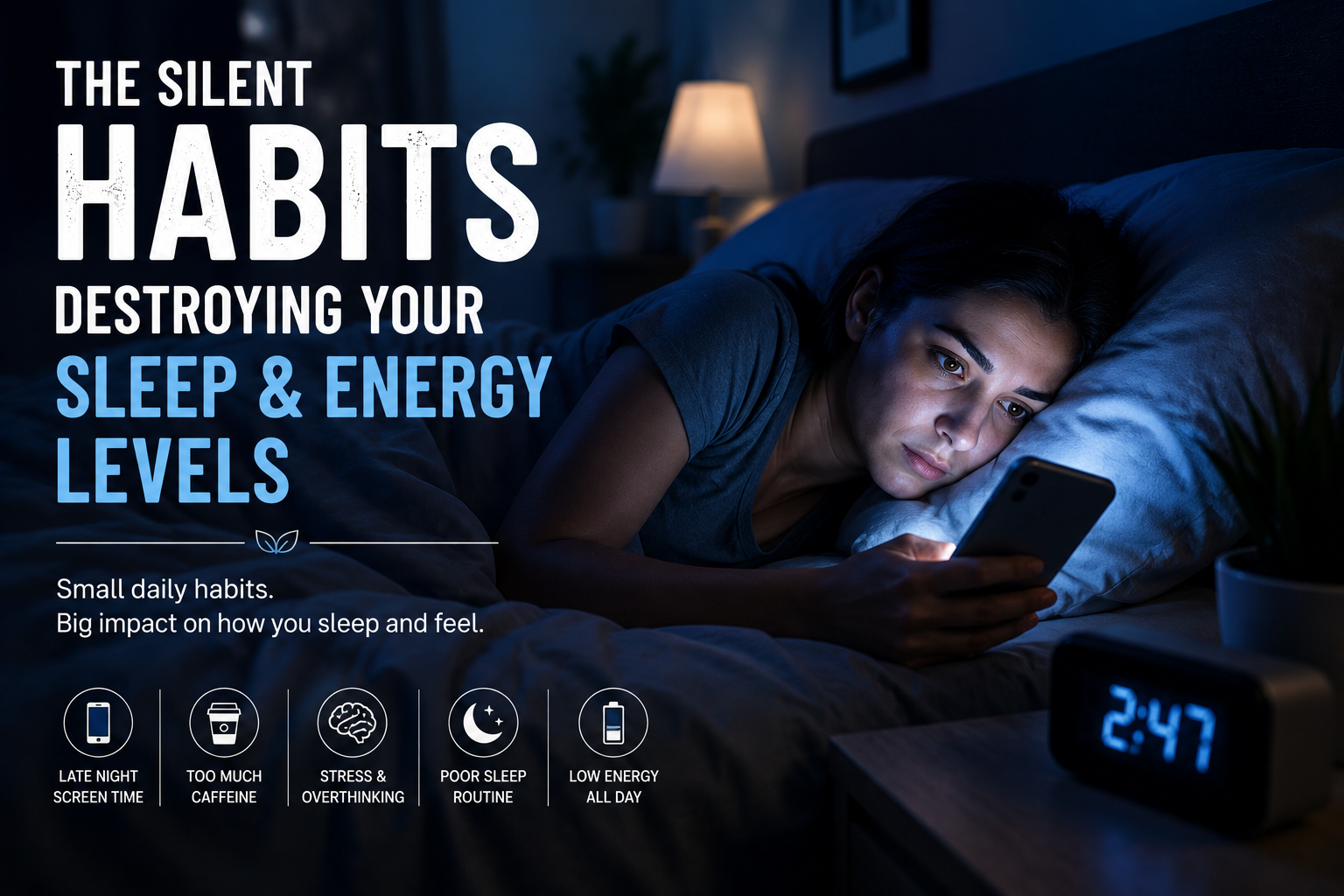
1. Too Much Screen Time at Night
One of the biggest wellness mistakes today is excessive screen use before bed. Phones, tablets, and laptops expose your eyes to blue light, which can confuse your brain and reduce melatonin production.
Melatonin is the hormone that helps your body know it is time to sleep. When screen time continues late into the night, your brain may stay alert even when your body feels tired.
Simple Tips:
Stop using screens at least 1 hour before sleep
Use warm lighting in the evening
Keep your phone away from the bed
Try reading or listening to calming music instead
Reducing screen exposure is one of the easiest ways to support better sleep naturally.
2. Stress and Overthinking Before Bed
Stress and sleep problems often go together. Many people spend their nights replaying conversations, worrying about work, or thinking about tomorrow’s tasks.
When your brain stays active, it becomes harder to relax. This “brain overdrive at night” can prevent deep and peaceful sleep.
Wellness Habits That Help:
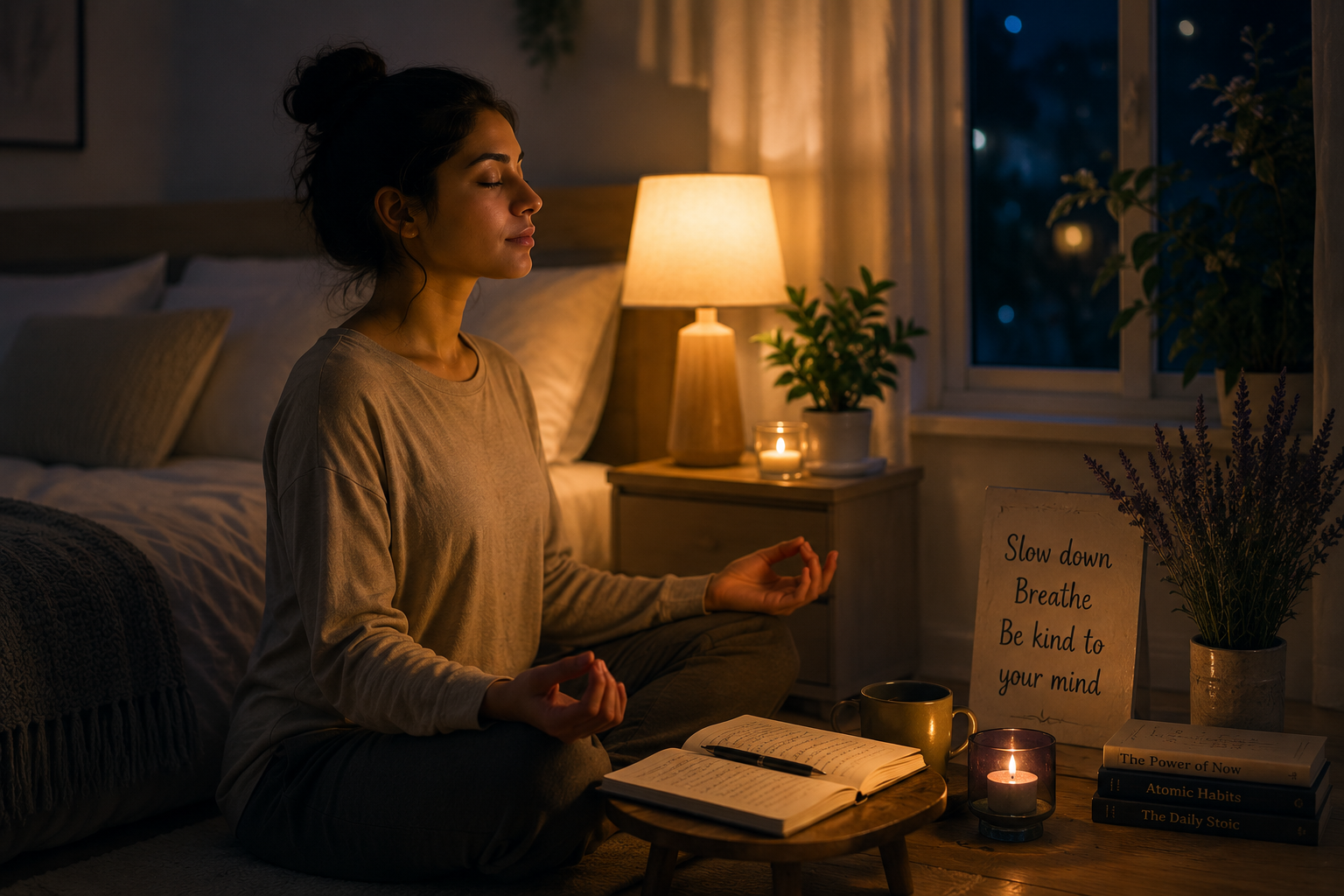
Practice deep breathing
Write your thoughts in a journal
Avoid stressful conversations late at night
Try meditation or calming music
Even 10 minutes of relaxation before bed can improve sleep quality over time.
3. Drinking Too Much Caffeine
Coffee and energy drinks may temporarily boost focus, but consuming too much caffeine - especially in the evening - can quietly damage your sleep cycle.
Many people still feel the effects of caffeine 6-8 hours later. Even if you fall asleep, the quality of your sleep may become lighter and less refreshing.
Better Choices:
Reduce caffeine after 3 PM
Drink more water during the day
Try herbal tea in the evening
Avoid sugary energy drinks
Small lifestyle habits like this can greatly improve energy levels naturally.
4. An Unhealthy Nighttime Routine
Your body loves routines. Sleeping at different times every night can confuse your internal clock and affect your natural sleep rhythm.
People who sleep late on weekends and wake early on weekdays often feel constantly tired because their body clock never fully adjusts.
Healthy Lifestyle Habits for Better Sleep:
Go to bed at the same time daily
Wake up consistently every morning
Keep your bedroom cool and quiet
Avoid heavy meals before bedtime
Creating a peaceful nighttime routine is one of the most effective nighttime routine tips for long-term wellness.
5. Poor Nutrition and Low Movement
Your diet and activity levels also affect sleep and mental health. Highly processed foods, excess sugar, and lack of physical activity may leave you feeling sluggish and exhausted.
Simple movement and balanced nutrition can support both brain function and emotional wellness.
Healthy Lifestyle Tips:
Walk daily for 20–30 minutes
Eat more fruits and vegetables
Stay hydrated
Reduce late-night snacking
Your body and brain work best when supported with healthy daily habits.

The Connection Between Wellness and Sleep
Many people search for quick fixes when they feel tired, but true wellness usually comes from consistent daily habits.
Good sleep supports:
Better focus
Improved mood
Higher energy levels
Reduced stress
Better emotional balance
That is why wellness habits should focus on the entire lifestyle — not just sleep alone.
Improving your sleep naturally often improves your overall mental and physical health as well.
Simple Wellness Habits That Improve Sleep Naturally
Here are a few easy wellness habits you can start today:
✔ Reduce screen time before bed
✔ Create a relaxing nighttime routine
✔ Exercise regularly
✔ Drink enough water
✔ Manage stress with mindfulness
✔ Sleep and wake at consistent times
✔ Reduce caffeine late in the day
These small changes may seem simple, but together they can create a powerful improvement in how you sleep and feel.
Final Thoughts
Many people think feeling tired every day is normal, but often the real problem comes from silent daily habits that slowly affect sleep, stress levels, and energy.
The good news is that you do not need extreme changes to feel better. Small wellness habits practiced consistently can help support better sleep naturally, improve energy levels, and bring more balance into your life.
Start with one small habit tonight. Your body and mind will thank you over time.
Frequently Asked Questions
How can I improve my sleep naturally?
You can improve sleep naturally by reducing screen time, managing stress, avoiding caffeine late in the day, and following a consistent nighttime routine.
Can stress affect sleep quality?
Yes. Stress and sleep are strongly connected. High stress levels can keep your brain active at night and reduce deep sleep quality.
Why do I wake up tired even after sleeping?
Poor sleep quality, excessive screen time, stress, caffeine, or an unhealthy nighttime routine may affect how refreshed you feel in the morning.
What are the best wellness habits for better energy?
Regular exercise, hydration, healthy eating, good sleep habits, and stress management are some of the best wellness habits for improving energy levels naturally.
